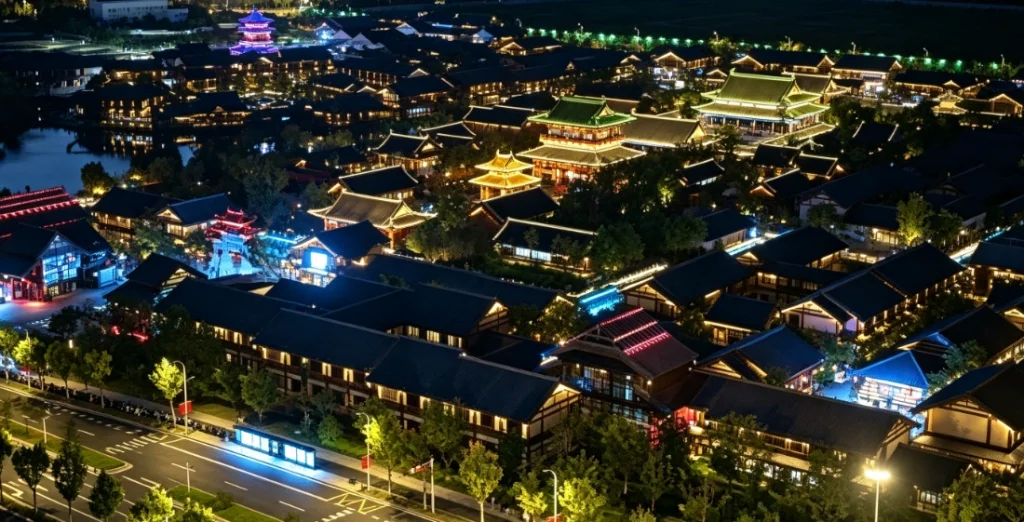
Away from the bustling crowds of downtown Nanjing, I travelled south to Lishui, a quiet corner blending peaceful mountain forests, ancient canal wonders, grand traditional architecture and poetic rural landscapes. Over two leisurely days, I wandered between natural serenity and profound history, discovering Lishui’s unique charm of ecology, culture and slow living.
My Lishui journey began with the immersive Zen scenery of Wuxiang Mountain National Forest Park. Stepping into the vast forest with a 95% green coverage rate, I was instantly embraced by fresh air and quiet woodland tranquility. I hiked along gentle mountain trails, passed lush bamboo groves, and finally reached the crystal-clear alpine Tianchi Lake on the summit. Surrounded by rolling green mountains, the still water mirrors the sky, creating a pure and healing landscape. I visited the ancient Tang-dynasty Wuxiang Temple and listened to the subtle echoing sounds of the cave stone carvings, feeling the calming Buddhist atmosphere that has settled here for centuries.
In the afternoon, I explored the breathtaking Tianshengqiao & Yanzhi River Scenic Area, known as the “Little Three Gorges south of the Yangtze River”. Cruising on the emerald river by painted boat, I admired the steep reddish stone cliffs and the spectacular natural stone arch bridge crafted by ancient Ming Dynasty water conservancy projects. The perfect combination of magnificent natural canyon scenery and human ingenuity made every frame like a traditional Chinese landscape painting. I brought home delicate scenic souvenirs, including themed postcards and enamel badges, preserving the memory of this ancient waterway.
As twilight fell, the Wuxiang Water Town unveiled its most beautiful night scene. Tang-style red walls and grey tiles were illuminated by warm lanterns, with winding water lanes flowing gently through the town. Wooden boats drifted slowly on the water, and the soft night breeze carried the elegant charm of the prosperous Tang Dynasty. Wandering along the riverside corridors, I enjoyed the quiet and romantic waterside atmosphere, far away from urban noise. For dinner, I tasted authentic Lishui specialties, including tender Honglan Hand-Pulled Chicken and sweet soft Jade Belt Cake, experiencing the simple and delicious rural flavors of southern Jiangsu.
On the second day, I visited Zhou Garden, reputed as “the No.1 private ancient art palace in the south”. Walking through the grand Huizhou-style ancient building complex, I was amazed by thousands of precious cultural relics, including exquisite wood carvings, giant root sculptures, ancient Buddha statues and classical Ming and Qing furniture. The magnificent Shilong Hall and the profound Thousand-Buddha Corridor fully displayed the elegance of traditional Chinese architecture and antique art. I picked up miniature wood-carving cultural and creative gifts, carrying the profound ancient craftsmanship of Lishui.
In the afternoon, I immersed myself in idyllic rural scenery. I wandered through the lush pastoral fields of Fujiabian Ecological Park, enjoying the relaxed rural atmosphere. Depending on the season, blooming plum blossoms or fresh ripe fruits decorate the countryside, presenting the simple and warm pastoral lifestyle of Lishui.
Before leaving, I deeply realized that Lishui is more than a scenic tourist destination. It is a land where fresh mountain forests calm the mind, ancient canals record history, grand ancient gardens inherit traditional art, and rural landscapes warm the heart. This journey allowed me to escape the fast-paced city life, feel the integration of nature, culture and folk customs, and embrace the most gentle and authentic beauty of southern Jiangsu.