
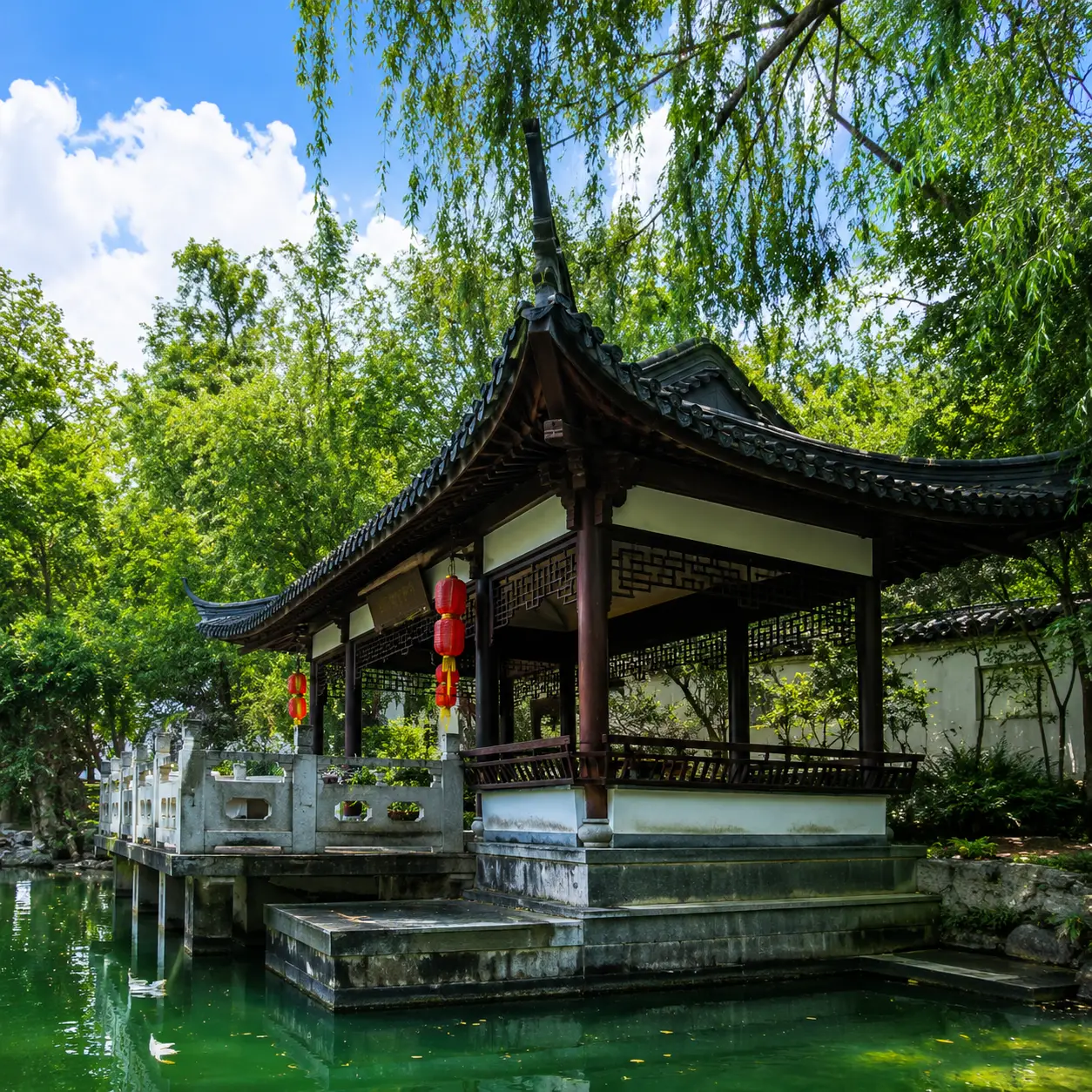
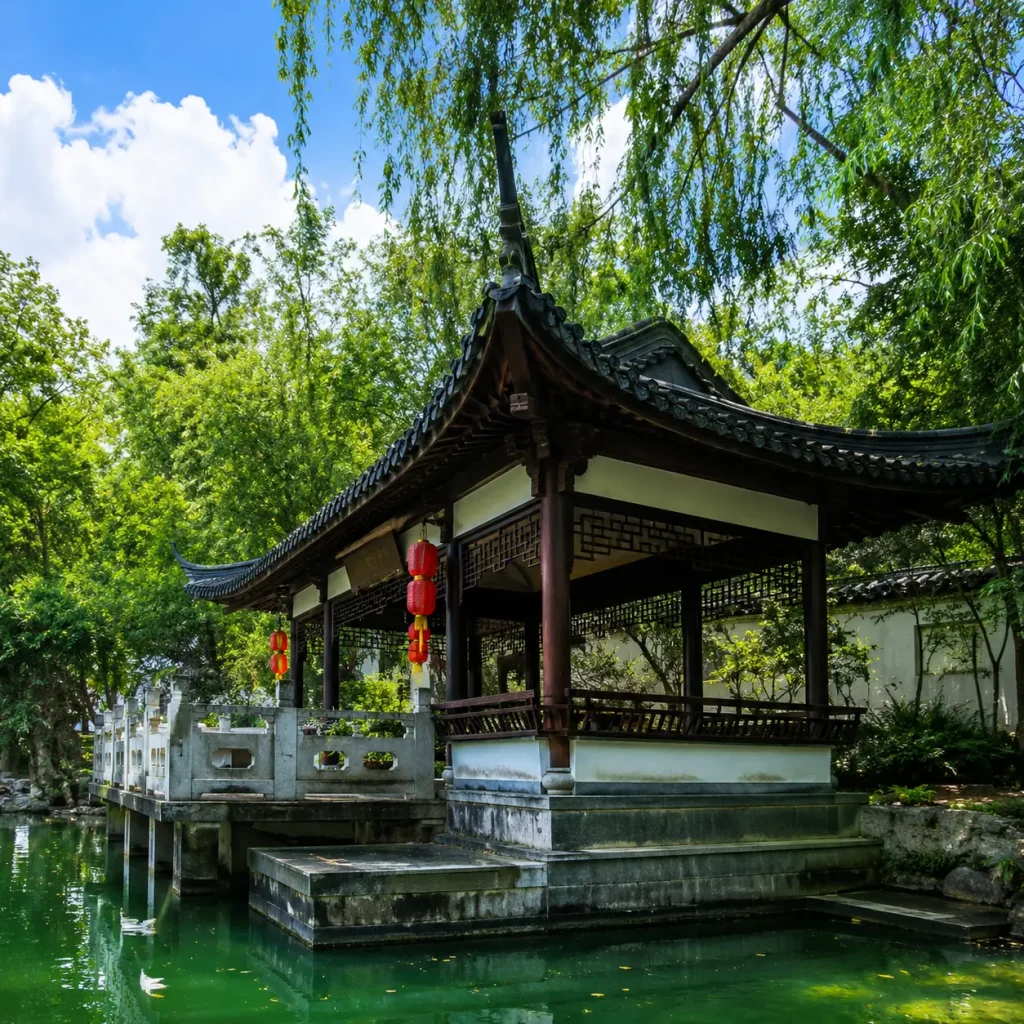
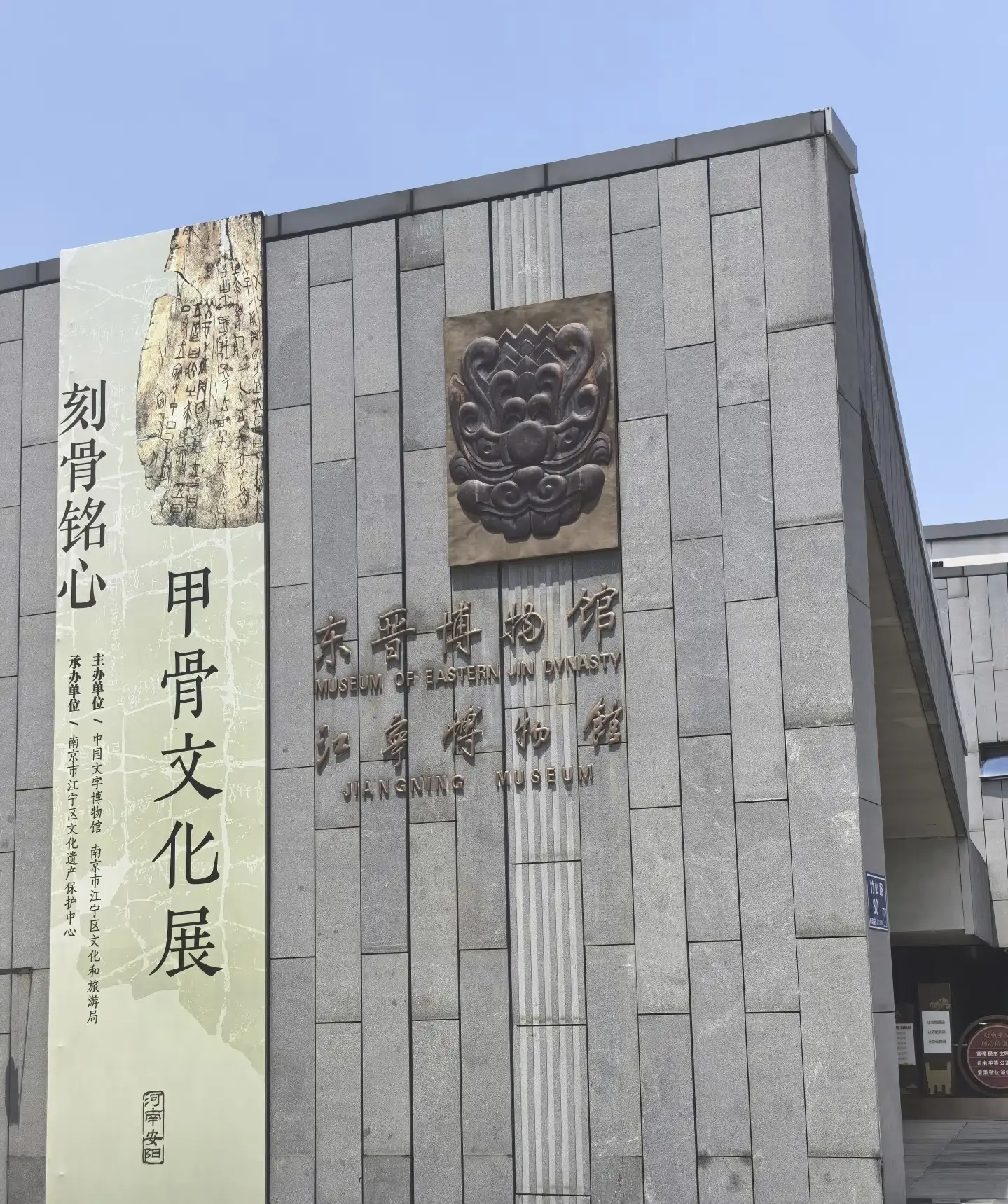
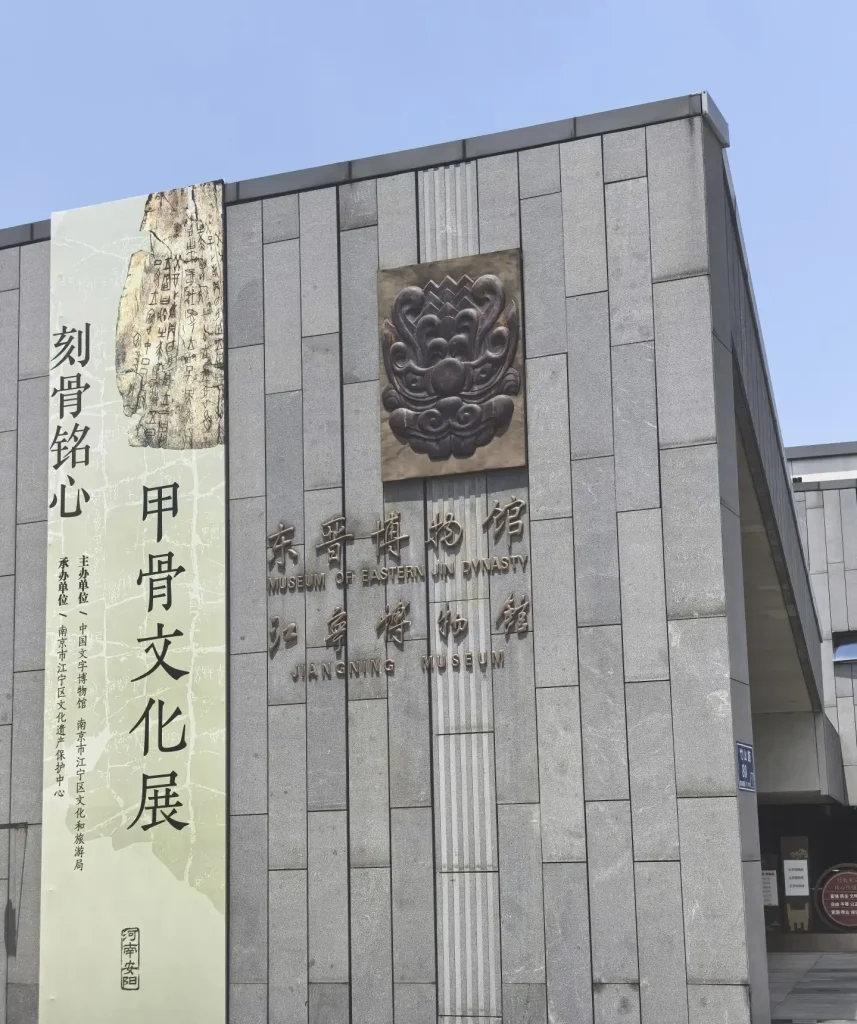
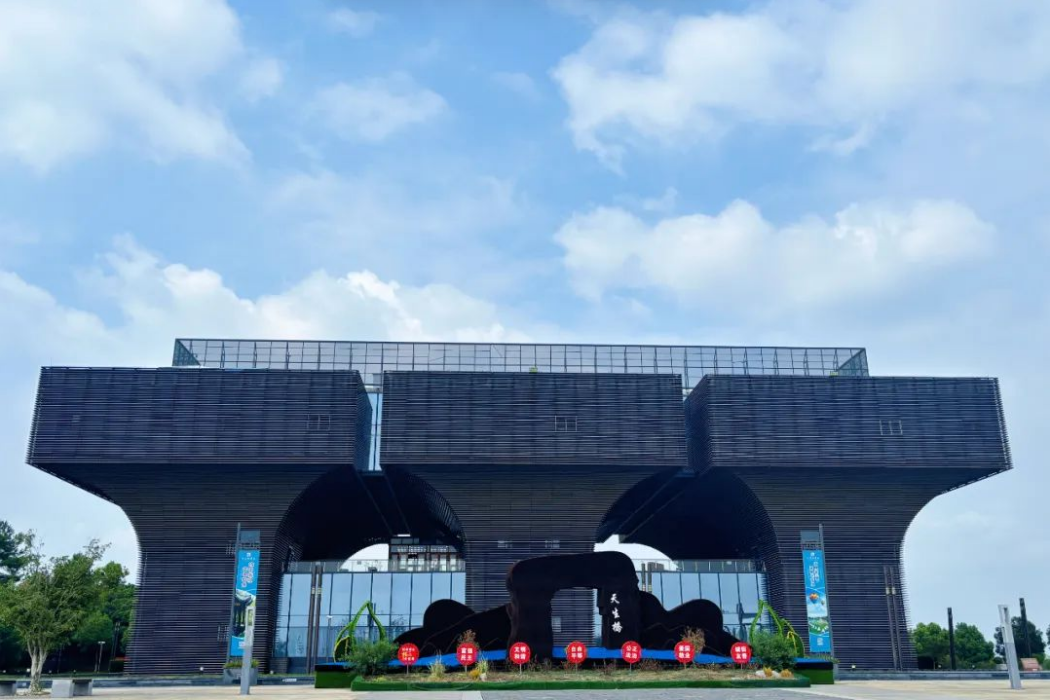
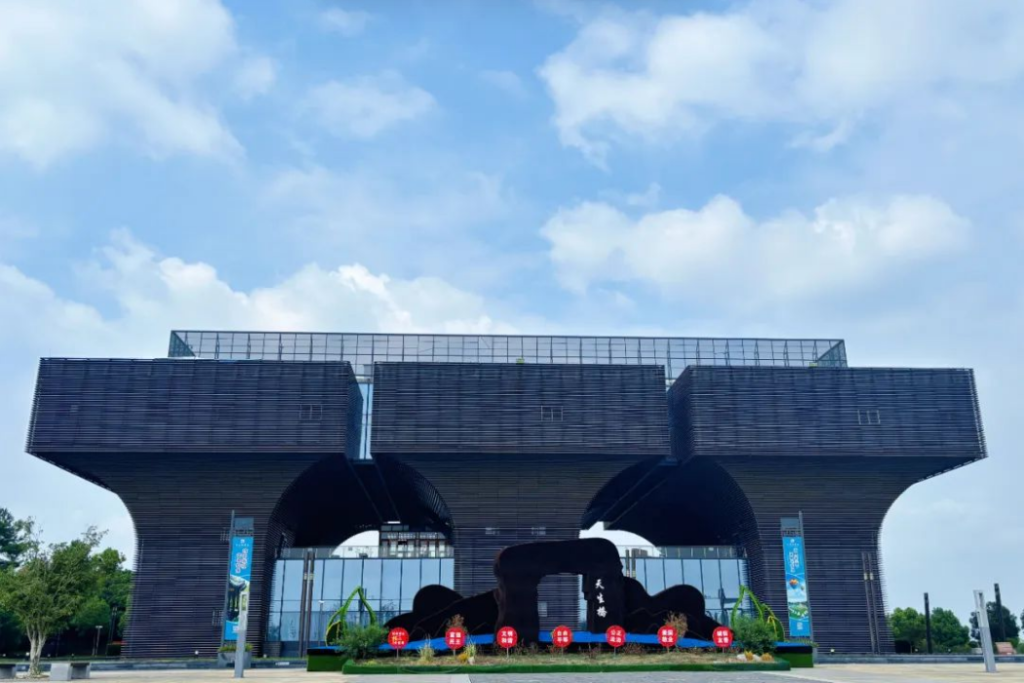
The Jiangning Museum is situated at No. 80 Zhushan Road, Dongshan Subdistrict, Jiangning District, Nanjing, on the banks of the Waigang River in Zhushan Park. It is the oldest state-owned museum within the district (county)-level cultural heritage system in Nanjing, having been established on 6 May 1958 and boasting a history of over sixty years. The museum site covers an area of 17.8 mu, with a total floor area of 7,480 square metres. The main building is a three-storey reinforced concrete structure. Its design draws inspiration from the distinctive platform-shaped foundation of the Huxu Culture, whilst incorporating the traditional Chinese cosmological concept of ‘the sky is round and the earth is square, with humanity and nature coexisting in harmony’. It harmoniously integrates mountains, water, the city and woodland into a single landscape. The main building, designed in an ancient architectural style, stands amidst lush greenery and clear waters, creating an exceptionally elegant and serene environment.
I. One Site, Two Museums: The Comprehensive History of Jiangning and the Splendour of the Eastern Jin Dynasty Side by Side
The museum adopts a ‘one site, two museums’ layout—a rarity in China—comprising two main areas: the Jiangning Museum and the Eastern Jin History and Culture Museum. The former systematically presents the historical evolution of Jiangning from prehistoric times to the modern era, whilst the latter is the country’s first specialised museum to comprehensively reflect the history and culture of the Eastern Jin Dynasty. The museum houses three permanent exhibitions—‘A Thousand Years of Jiangning’, ‘The Splendour of the Eastern Jin Dynasty’ and ‘The Pei Family’s Calligraphy and Painting Exhibition’—as well as a temporary exhibition hall. It is also equipped with a diverse range of functional spaces, including an academic lecture theatre, an intangible cultural heritage exhibition area, a 4D multi-purpose cinema, the ‘Bosutang’ cultural and creative shop, a pottery workshop, a sand painting experience area and a leisure reading area.
II. Highlights of the Collection: Treasures from the Neolithic Age to the Ming Dynasty
As of 2022, the Jiangning Museum’s collection comprises 8,370 artefacts and sets, of which 973 are classified as precious cultural relics. The collection spans an extensive chronological range, from the Neolithic Age through to the Ming and Qing dynasties, and includes items such as a Western Han Dynasty bronze cauldron, a Western Han Dynasty three-legged cauldron with an ox-head handle, a large jade bi disc from the Han Dynasty, Han-dynasty polychrome lacquer bowls, a land purchase certificate from the first year of the Tiance era of the Eastern Wu Kingdom, a Buddhist-style mirror from the Eastern Wu Kingdom, a rooster-headed jar and a frog-shaped water basin from the Eastern Jin Dynasty, a Song-dynasty celadon porcelain pillow, a Yuan-dynasty bronze weight, as well as a large number of bronze mirrors and ceramic funerary objects. The museum’s collection of Ming-dynasty artefacts is particularly valuable; items such as a gem-encrusted gold sutra case, a gold hair-binding crown and gold funeral currency are regarded as national treasures.
III. Core Exhibitions: Focus on Six Dynasties Celadon and the Elegance of the Eastern Jin
Among the numerous artefacts, Six Dynasties celadon constitutes the most distinctive category in the Jiangning Museum’s collection. Represented by the Yue Kiln, Six Dynasties celadon attained an artistic pinnacle described as ‘resembling ice and jade’, playing a pivotal role in bridging the past and the future in the history of Chinese ceramics. The museum’s collection of Six Dynasties celadon encompasses vessels such as jars, pots, cups, bowls, bowls, incense burners, censers, washbasins, ladles and candlesticks. Ranging from everyday storage and household items to banquet and wineware, tea sets for refined conversation, and the refined pastimes and calligraphy implements of the literati, these artefacts comprehensively reflect the prosperity of the agricultural economy during the Six Dynasties period, as well as the lifestyle and spiritual pursuits of the literati class. The museum’s collection of artefacts from the Eastern Jin Dynasty, such as the ‘chicken-headed’ jar and celadon spittoons, features a warm, lustrous glaze and simple, rustic forms, serving as precious evidence of the Jiangning Dragon Kiln site. The museum’s ‘The Elegance of the Eastern Jin’ exhibition hall is particularly ingenious: the introductory hall utilises a scroll-style projection, with seven scenes recreating the daily lives of renowned Eastern Jin literati such as Wang Dao, Xie An and Wang Xizhi. The exhibition hall is divided into four sections—tile ends, tomb inscriptions, gold and jade, and celadon—showcasing 86 Eastern Jin artefacts, including animal-mask-patterned tile ends and celadon chicken-headed jars.
IV. Historical Origins: Jiangning – The Fertile Heartland of Jinling Culture
Jiangning possesses an exceptionally rich historical and cultural heritage. This land is home to traces of ancient human activity dating back 500,000 years, stone and bone tools left by early inhabitants 8,000 years ago, the 4,000-year-old Huxu Cultural Site, and earthen mound tombs from the Spring and Autumn and Warring States periods dating back 3,000 years; 2,000 years ago, this was the fiefdom of a marquis; from 1,800 years ago onwards, it became the capital region of the ancient capital, Jinling. Since the founding of the People’s Republic of China, excavations of ancient sites and tombs within Jiangning have unearthed tens of thousands of cultural artefacts, and the Jiangning Museum serves as a vital custodian and showcase for this precious cultural heritage.
V. Visitor Information
The museum is situated at No. 80 Zhushan Road, Jiangning District, within Zhushan Park on the banks of the Qinhuai River. Admission is free to the public, and opening hours are Tuesday to Sunday, 9:00–17:00 (closed on Mondays). The museum organises special exhibitions and public education activities throughout the year, such as study programmes on Six Dynasties celadon and hands-on workshops recreating Eastern Jin-era ‘chicken-headed’ jars, allowing visitors to experience the charm of traditional craftsmanship through practical activities. For group bookings or enquiries, please call the museum’s service hotline.
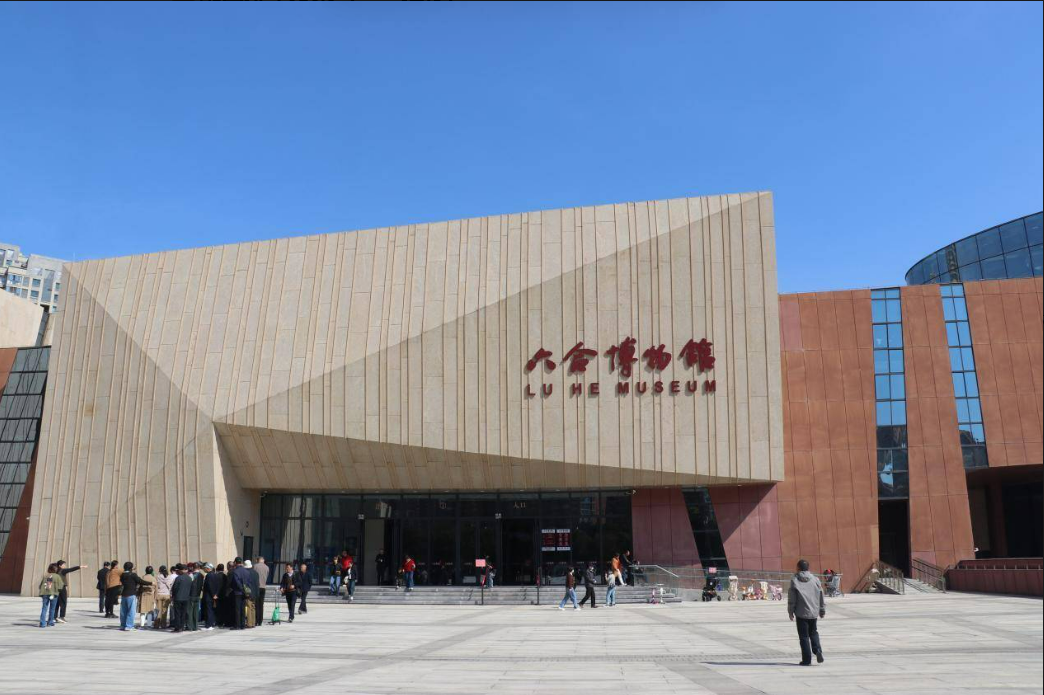
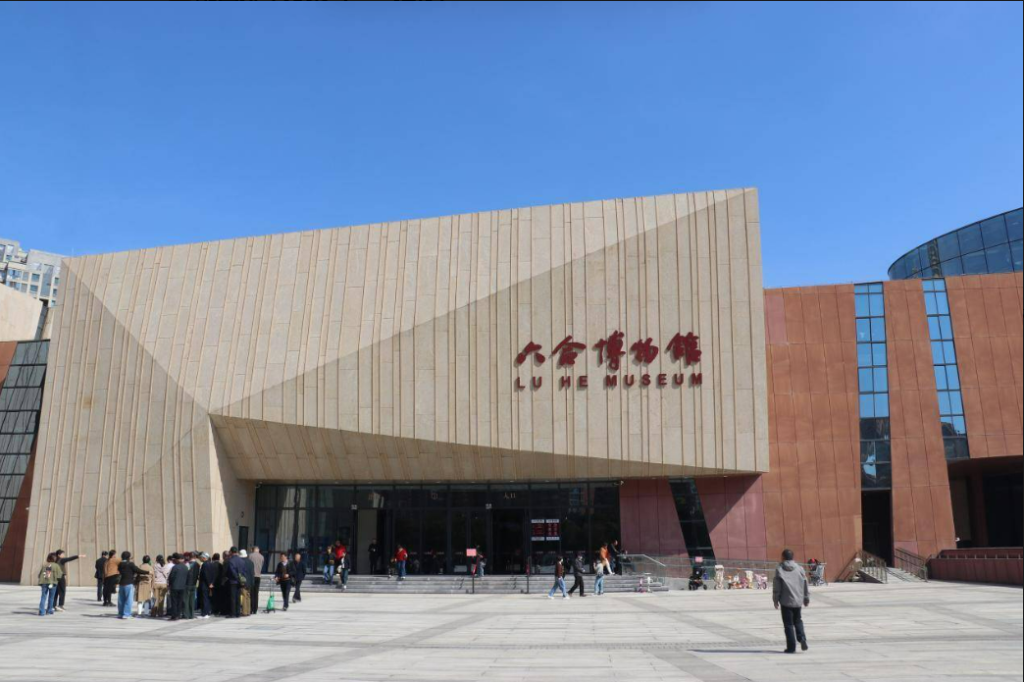
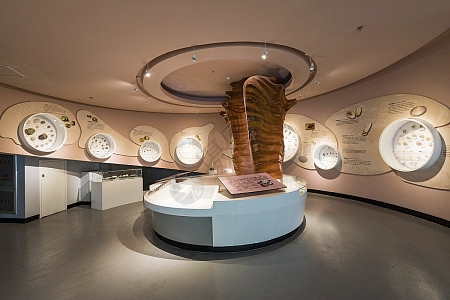
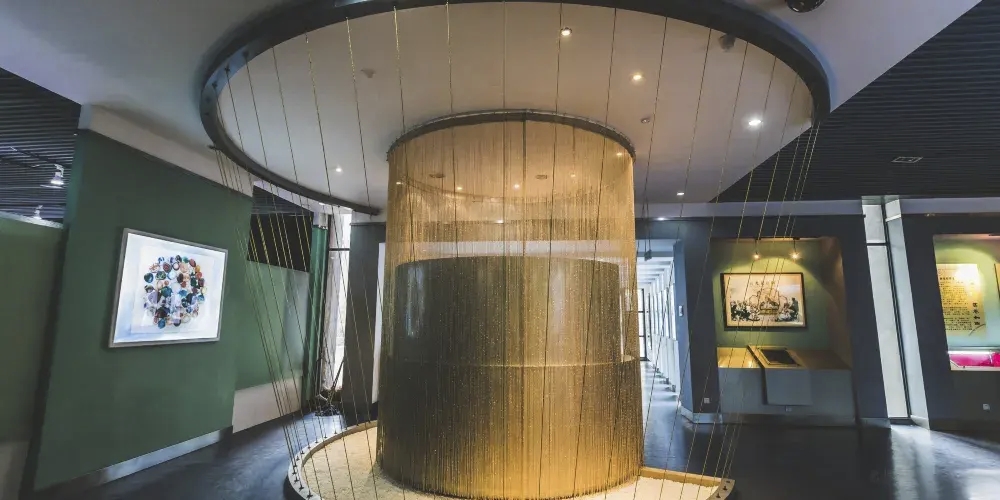
-
Dreams of Yanzhi River: Recounts the excavation of Yanzhi River and ancient canal transportation history;
-
Gathering of Talents: Features historical literati and celebrities who once lived and worked in Lishui;
-
Ancient Treasures: Displays unearthed bronzes, porcelain, stone carvings and other artefacts;
-
Local Customs: Showcases intangible heritage such as Luoshan Grand Dragon, Mingjue iron painting and traditional folk rituals.
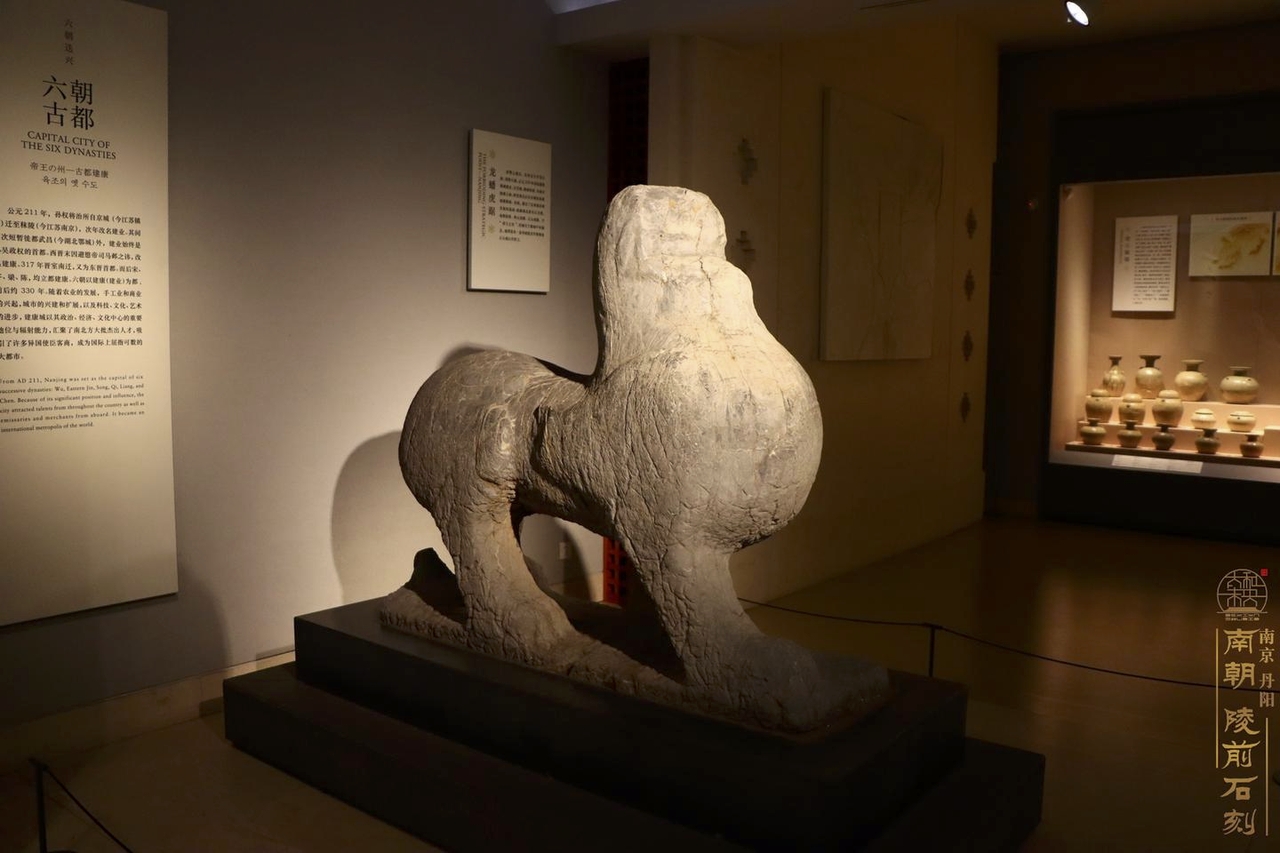
Scattered across the fields, villages, campuses, and roadsides of Qixia District in Nanjing lies a collection of silent yet profoundly moving historical remains—the Southern Dynasties Imperial Mausoleum Stone Carvings. Qixia District boasts the highest concentration of Southern Dynasties stone carvings in the Nanjing area, with over 10 extant examples of sacred way (shendao) stone carvings, accounting for more than half of all Southern Dynasties stone carvings in Nanjing. It is acclaimed by cultural heritage experts as the “finest preservation of district-level Southern Dynasties stone carvings. “
I. Qixia: An “Open-Air Museum” of Southern Dynasties Stone Carvings
The Southern Dynasties (420–589 AD) spanned the Song, Qi, Liang, and Chen dynasties, with Jiankang (present-day Nanjing) as the capital. Members of the imperial family and nobility were predominantly buried in the outskirts of the capital. According to historical records, Qixia District is home to over 10 extant Southern Dynasties mausoleum stone carving sites. These include sites believed to be imperial mausoleums, such as the Yongning Mausoleum of Emperor Wen of Chen (Chen Qian), known as the Shizichong (Lion’s Charge) stone carvings; and those of imperial clan members and nobles, including the tombs of Xiao Hong, Prince Jinghui of Linchuan; Xiao Xiu, Prince Ancheng Kang of Liang; Xiao Hui, Prince Zhonglie of Poyang; Xiao Dan, Prince Shixing Zhongwu of Liang; and Xiao Jing, Prince Wuping Zhonghou of Liang, among others.
These stone carvings are essential components of the sacred way (shendao) leading to the mausoleums. They typically include guardian mythical beasts (stone qilin, tianlu, and bixie), sacred way stone pillars (huabiao), and sacred way steles (monuments) . They are hailed as the “crowning achievements of ancient Chinese mausoleum stone carving. “
II. The Essence of the Stone Carvings: Three Iconic Types
Southern Dynasties stone carvings can be broadly classified into three major types, each exceptional in its own right:
1. Guardian Mythical Beasts — Stone Qilin, Tianlu, and Bixie
The mythical beasts are the most visually striking elements of Southern Dynasties stone carving. In front of imperial mausoleums, the qilin (single-horned) and tianlu (double-horned) stand—both male figures, with vigorous postures, raised heads and chests, long beards, and intricately decorated bodies that exude a powerful sense of rhythm. In front of noble tombs, bixie (hornless) stands guard, equally imposing in presence.
Among the most graceful is the Shizichong (Lion’s Charge) stone carving, believed to belong to the Yongning Mausoleum of Emperor Wen of Chen (Chen Qian). A pair of stone qilin and tianlu, facing each other from east to west with a spacing of 24.45 meters, display a lively elegance that is widely recognized as an artistic masterpiece among Southern Dynasties stone carvings.
2. Sacred Way Stone Pillars (Huabiao) — A “Twin Marvel” of Calligraphy and Form
Stone pillars served as important markers along the sacred way, with inscriptions of the tomb owner’s biography often carved on the shafts. The stone pillar at the tomb of Xiao Jing, Prince Wuping Zhonghou of Liang, is particularly exquisite. Its inscription is written in “reversed left-hand script (fanzuoshu) ,” a unique form in the history of Chinese calligraphy that is virtually unparalleled in artistic value.
3. Sacred Way Steles — The Best-Preserved Southern Dynasties Inscribed Monuments
Stele inscriptions are crucial historical materials for verifying the identities of tomb occupants. The sacred way stele at the tomb of Xiao Dan, Prince Shixing Zhongwu of Liang, is the best-preserved, with clearly legible inscriptions that serve as invaluable physical evidence for the study of Southern Dynasties history and calligraphy. The tomb of Xiao Xiu, Prince Ancheng Kang of Liang, features the largest number of stone carvings, arranged from south to north as a pair of bixie, a pair of steles, a pair of stone pillars, and another pair of steles—the most extensive surviving grouping of Southern Dynasties stone carvings.
III. Preservation and Exhibition: Qixia’s Technology-Empowered Approach
Since the Southern Dynasties stone carvings are predominantly immovable cultural relics scattered across open fields, Qixia District is gradually enhancing their exhibition conditions through environmental improvements and digital technology. Key sites—including the tombs of Xiao Hong, Xiao Xiu, and Xiao Jing—have already undergone environmental upgrades, with the installation of lawns, pathways, and parking facilities, creating a Southern Dynasties Stone Carving Cultural Exhibition Route.
In the realm of digital display, the Qixia Mountain Grotto Research Institute has undertaken high-precision 3D scanning, digital modeling, and 3D-printed reproductions of stone artifacts in its collection, enabling the permanent preservation and dynamic presentation of cultural relics. In March 2026, the Longmen Grottoes Research Institute and the Qixia Mountain Grotto Research Institute jointly launched the “Integration of Hu and Han Cultures · Digital Re-illumination” Grotto Art Joint Exhibition at Qixia Ancient Town, employing digital technology to bring the “stone epic” of the Southern Dynasties back to life for contemporary audiences.
IV. Featured Exhibition Room and Visitor Experience
Adjacent to the Qixia Mountain Scenic Area, a small exhibition room displays replicas of nearby Southern Dynasties mausoleum stone carvings along with illustrative materials. The exhibits include representative artifacts such as mythical beasts, stone pillars, and steles. While smaller in scale than the main exhibition hall in Jiangning, it has the advantages of proximity and convenience—visitors can easily incorporate this stop after touring Qixia Mountain to explore the essence of Six Dynasties imperial tomb culture. The exhibition room is free of charge and is recommended to be visited alongside other Six Dynasties Buddhist sites such as the Qixia Mountain Grottoes and the Thousand-Buddha Cliff, forming a comprehensive Six Dynasties cultural heritage route.
The Southern Dynasties stone carvings represent Nanjing’s most profound and magnificent cultural imprint as the ancient capital of the Six Dynasties. Standing silently amidst the mountains and waters of Qixia, they have watched over this land for over 1,500 years, waiting for every mindful visitor to listen to the “dreamlike” stone epic of the Six Dynasties.
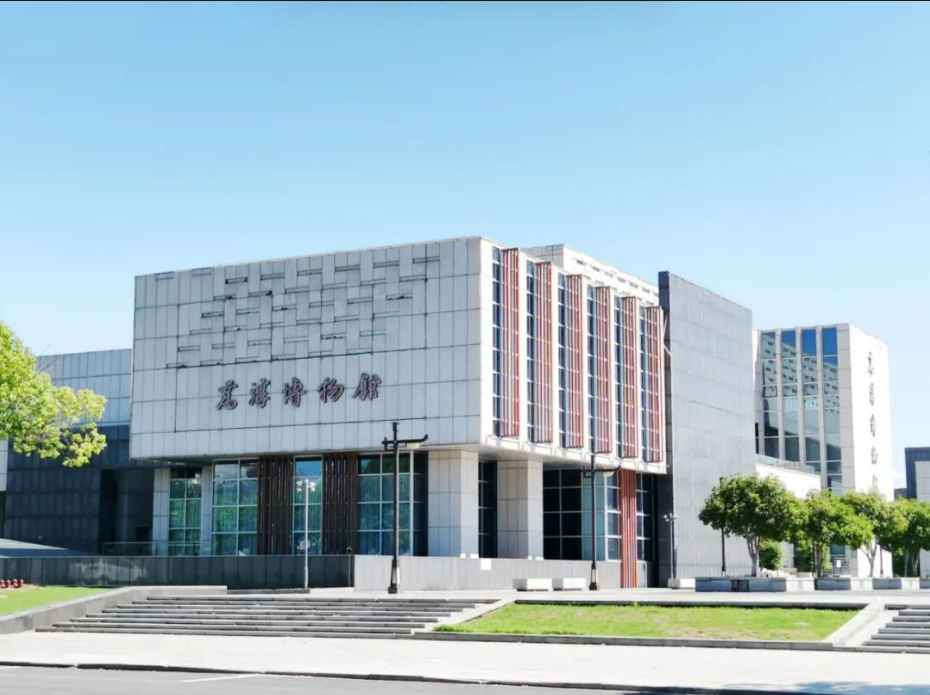
At the southernmost tip of Nanjing, in Gaochun District, the ancient Baosheng Temple Pagoda stands tall, watching over the land for centuries. Beside this thousand-year-old pagoda, a modern building sits as its neighbor—this is the Gaochun Museum, a comprehensive local museum dedicated to collection, research, exhibition, and education. In August 2024, the Gaochun Museum was elevated to National Second-Class Museum status, becoming the most worthy guardian and storyteller of Gaochun’s history and culture.
I. Museum Overview: A New Cultural Landmark Beside an Ancient Pagoda
The Gaochun Museum is located adjacent to the Baosheng Temple Pagoda Cultural Park, near the Baosheng Temple Pagoda, which was first built during the Three Kingdoms period under the Wu regime (circa 3rd century AD). The museum has a total construction area of 9,522.3 square meters, with nearly 3,000 square meters of exhibition space. It officially opened to the public on November 28, 2013. The museum houses 8,204 cultural relics (sets) , including 646 precious artefacts, encapsulating Gaochun’s civilization spanning from the Neolithic Age to the present day.
The museum features 3 permanent exhibition halls and 1 temporary exhibition hall. The core historical and cultural exhibition, themed “Lush Waters, Green Hills, Pure Folk Customs,” is complemented by the special exhibition “The Splendor of Laizhu: Bronze Casting History—Zhou Dynasty Bronzes Unearthed in Gaochun,” together forming a concentrated essence of Gaochun’s history, culture, and human ecology.
II. Core Exhibition: A 6,000-Year Civilization Unfolds
The museum’s permanent exhibition follows a chronological timeline, beginning with Gaochun’s earliest human habitation and tracing the threads of history through the ages.
Xuecheng Site: Nanjing’s Earliest Prehistoric Village
A large map of Gaochun’s ancient sites spreads across the exhibition hall, revealing the faces of primitive settlements and ancient cities from thousands of years ago. The life-scene reconstruction of the Xuecheng Site—known as “Jinling’s Earliest Ancient Village“—is the most captivating highlight. Over 6,000 years ago, the people of Xuecheng lived by the water, thriving on rice and fish. Visitors can view specimens of the rice, fish, clams, and other shellfish they consumed, along with production and daily-use tools such as stone axes, adzes, bone hairpins, and ceramic spinning wheels. Beneath towering “ancient trees,” the inhabitants hunt with primitive tools; outside a thatched hut, children help their mother light a fire for cooking—a vivid tableau of life from over 6,000 years ago, brought back to life.
The painted pottery jars, black-spotted jade bracelets, black pottery cups, and other artefacts on display are elegantly shaped. One particular black pottery cup features a specially crafted notch at the rim for drinking—a design that could well be considered fashionable even by today’s standards.
Ancient Engineering and Urban Memory
The exhibition also features a 1:1 scale replica of the “Xiaoguan Stele“—renowned as the “Foremost Stele South of the Yangtze River”—and presents life-scene reconstructions of Wu Zixu’s excavation of the Xu River (one of the world’s oldest artificial canals) and the ancient Gucheng City, which was built 208 years earlier than the Stone City of Nanjing. These vivid recreations allow visitors to trace the journey of ancient people from primitive settlements to the early walled cities of a more advanced society. In addition, there is a streetscape reconstruction of the historic Gaochun Old Street from the Republic of China era, featuring three representative shops that have become cherished memories for the older generation of Gaochun locals.
Daoist Deity Paintings and Regional Culture
The Gaochun Museum houses an exceptional collection of over 330 Daoist deity paintings from the Ming and Qing dynasties—a rarity in China. These works, divided into “divine scrolls” and “divine plaques,” reflect the folk customs and traditions of the Jiangnan region. A selection of 13 of these paintings is on display, offering a precious glimpse into Daoist cultural heritage.
Visitors can also learn about the Gaochun dialect, hailed as “a living fossil of ancient Chinese,” and see silver ingots from the Southern Song Dynasty inscribed with “exit tax” characters. From local customs to regional culture, the unique character of Gaochun is narrated, piece by piece, within the display cases.
III. Bronze Treasures: The Resonant Voice of Laizhu’s Bronze Age
On the museum’s first floor, the exhibition “The Splendor of Laizhu: Bronze Casting History—Zhou Dynasty Bronzes Unearthed in Gaochun” is on display. The name Laizhu dates back to the Spring and Autumn period—in 514 BC, King Yuji of Wu built Gucheng in Gaochun and established “Laizhu Yi” (the present-day Gucheng Site). Situated at the border of Wu and Chu, Gaochun was a key passage for the Wu state’s military campaigns against Chu.
The exhibition features 79 bronze artefacts from the Shang and Zhou dynasties, used for rituals, ceremonies, and warfare. With exquisite patterns, masterful craftsmanship, and distinctive styles, these bronzes hold great historical, scientific, and artistic value. Among them, four bronze swords from 2,500 years ago are particularly striking—two of them, remarkably, bear no trace of rust and remain sharp to this day. According to the curator, “a single gentle swing of a wooden stick could cut through with them.”
IV. Museum Highlights and Temporary Exhibitions
Beyond its 8,200-piece collection, the Gaochun Museum actively brings in high-quality exhibition resources. In July 2026, the museum signed a collaborative development agreement with the Nanjing Museum General Administration and launched the exhibition “Gleaming Gold and Radiant Jade: Gold, Silver, and Jade Artifacts from the Song and Ming Dynasties Unearthed in Nanjing,” featuring 119 precious artefacts on display. These pieces were mainly unearthed from tombs of prominent Song Dynasty families, Ming Dynasty nobles (including the Mu clan), and founding heroes of the Ming Dynasty. Together, they offer a complete picture of the aesthetic tastes of both dynasties—from the double-dragon-head gold bracelet weighing over 400 grams, excavated from the tomb of Mu Zan’s wife in the Ming Dynasty, to the silver ware discovered in the tomb of the son of Southern Song poet Zhang Xiaoxiang—each piece demonstrates the ingenuity and artistry of ancient craftsmen.
Previously, the museum also curated a series of original exhibitions, including “Farming and Scholarship: A Family Legacy—Calligraphy and Painting from the Museum Collection” and “In Search of Red Memories—Revolutionary Artefacts from the Museum Collection.”
V. Visitor Information
The Gaochun Museum is currently a National Second-Class Museum and is free and open to the public.
-
Address: Building 1, No. 7, South Shijiuhu Road, Chunxi Subdistrict, Gaochun District, Nanjing
-
Opening Hours: Tuesday to Sunday, 9:00 AM – 5:00 PM (closed on Mondays; holiday hours subject to separate notice)
-
Contact Number: 025-68616278
Gaochun Museum—beside an ancient pagoda, a chronicle of a region’s history. More than 6,000 years of civilization are distilled within its walls, waiting patiently for every visitor to turn the pages.
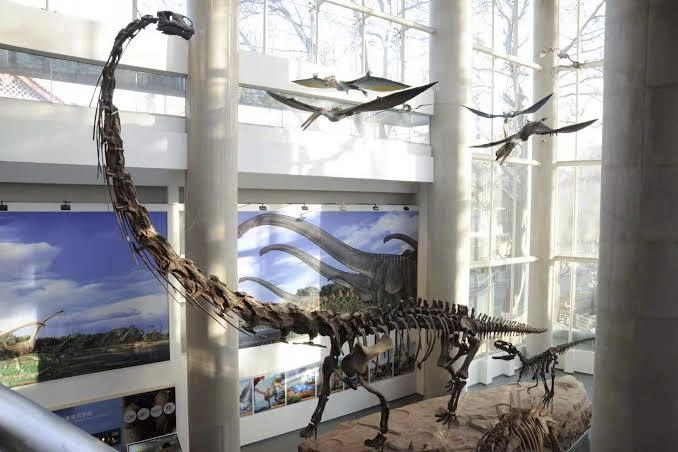
Amidst the curling incense smoke of Jimi Temple and the blossoming sea of cherry blossoms on the avenue, there lies an unassuming yet remarkably significant treasure—the Nanjing Paleontology Museum. Situated on the south side of the Jimi Temple Scenic Area, just a wall away from this thousand-year-old Buddhist temple, it stretches the scale of time from a mere millennium to hundreds of millions of years.
I. More Than “Niche” — A World-Class Professional Institution
The Nanjing Paleontology Museum is affiliated with the Nanjing Institute of Geology and Palaeontology, Chinese Academy of Sciences (NIGPAS) , and was jointly established by the Chinese Academy of Sciences and the People’s Government of Jiangsu Province. It is a modern museum integrating exhibition, collection, research, and education. With a total construction area of 8,500 square meters and nearly 4,200 square meters of exhibition space, it is one of the world’s largest professional paleontology museums. The museum completed a comprehensive exhibition upgrade on New Year’s Day 2021 and has since been open to the public free of charge, presenting the story of Earth’s evolution and the history of life in a brand-new light.
II. Treasures of the Collection: From the Chengjiang Biota to Sinosauropteryx
The museum specializes in collections of fossilized invertebrates, paleobotany, and micropaleontology, featuring a rich and exquisite array of fossil specimens. Two of the most renowned “national treasure” fossil assemblages are:
-
The Chengjiang Biota — Hailing from Yunnan Province and dated to approximately 518 million years ago, this is a precious testament to the Cambrian Explosion, showcasing the magnificent and sudden emergence of major animal phyla in the early history of life.
-
The Jehol Biota — Represented by the “Sinosauropteryx,” the museum’s “crown jewel” and the world’s first discovered feathered dinosaur fossil, which provided crucial evidence for the theory that birds evolved from dinosaurs.
In addition, the museum displays significant fossil specimens including the Guizhou ichthyosaur (Guizhouichthyosaurus), the saber-toothed cat (Machairodus), and the Nanjing Man (Homo erectus). In April 2026, the museum launched China’s first special exhibition dedicated to fossil-bearing concretions, titled “Nature’s Nucleus,” bringing together rare concretionary fossils from around the world, including Asia’s largest Early Triassic Whiteia fossil (measuring 29 cm in length) and a 3-meter-long Guizhou Guanling ichthyosaur fossil.
III. Immersive Exhibition: Walking the “Path Uphill,” Travelling Through 600 Million Years
The museum’s exhibition is organized around the theme “Evolving Earth, Evolving Life,” following a chronological timeline. The staircase leading from the first to the second floor is designed as the “Path Uphill” — simulating the geological profile of Nanjing’s strata from 540 million to 140 million years ago. With each step upward, you travel through ten million years of Earth’s history.
Along this path, both sides are embedded with simulated rock sections of Nanjing’s strata from the Sinian to the Jurassic periods, displaying many locally discovered fossils. Walking this path is like experiencing hundreds of millions of years of marine and terrestrial transformations in the Nanjing area. The museum also features over a dozen thematic exhibition zones, including the Dinosaur World, the Colonization of Land, Invertebrate Fossil Gallery, the Permian Mass Extinction, and the Origin and Evolution of Birds.
IV. Where Science Meets Romance: A Coffee Bar with a View of Jimi Temple
The museum’s second floor houses a Science Café with 180-degree floor-to-ceiling windows directly facing Jimi Temple. Visitors can enjoy a cup of “Cambrian Latte” or “Pterosaur Latte Art Coffee” while seated by the window, appreciating the cherry blossom avenue and the ancient temple’s charming scenery—with paleontology-themed drinks in hand.
This “photogenic” corner has become one of the museum’s highlights, particularly popular during the cherry blossom season when the window frames a sea of pink blossoms and visitors outside, while inside, hundred-million-year-old fossils and a warm cup of coffee create a perfect intersection of science and romance.
V. Family-Friendly Science Education and Nearby Attractions
The museum is a National Science Education Base and a Jiangsu Provincial Scientist Spirit Education Base, offering regular public science activities, educational lectures, and hands-on workshops. The exhibits are accompanied by richly illustrated explanations and interactive multimedia presentations, making the museum highly suitable for family visits and school groups.
Located right next to Jimi Temple, visitors can easily explore a series of landmarks on foot: the ancient Jimi Temple, the Ming City Wall (Taicheng section), and Xuanwu Lake—forming a perfect one-day itinerary of “Cherry Blossom Avenue — Ancient Temple Visit — Fossil Exploration — City Wall Panorama.” A suggested route is to visit Jimi Temple and the City Wall in the morning, tour the museum in the afternoon, and then relax at the Science Café—all within walking distance, connecting Nanjing’s thousand-year history with the beauty of nature spanning hundreds of millions of years.
VI. Practical Information
| Category | Details |
|---|---|
| Address | No. 39 Beijing East Road, Xuanwu District, Nanjing (south side of the Jimi Temple Scenic Area) |
| Opening Hours | Wednesday to Sunday, 9:00 AM – 5:00 PM (last entry at 4:00 PM); closed Mondays and Tuesdays (except public holidays) |
| Admission | Free (advance reservation required via the official WeChat public account) |
| Transport | Metro Line 3 or Line 4 to Jimi Temple Station, Exit 5, approx. 200 meters walk |
| Recommended Visit Duration | Approximately 1.5 – 2.5 hours |
| Special Experiences | Science Café (with Jimi Temple view), paleontology-themed stamp collection |
From the Cambrian trilobites to the Jurassic dinosaurs, from the incense of Jimi Temple to the floor-to-ceiling windows of the café—the Nanjing Paleontology Museum, in its own unique way, compresses billions of years of Earth’s history into one building, waiting quietly for every curious visitor to explore and discover.