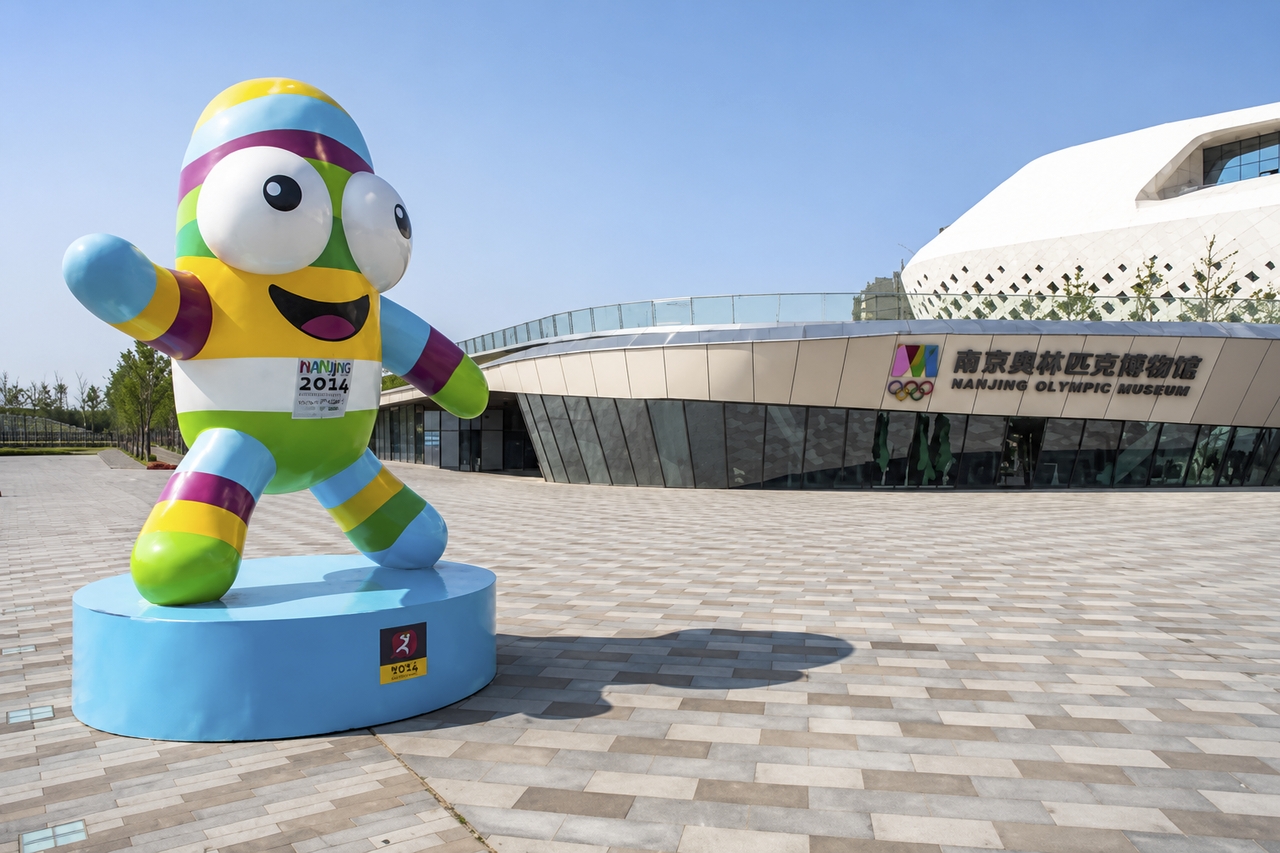
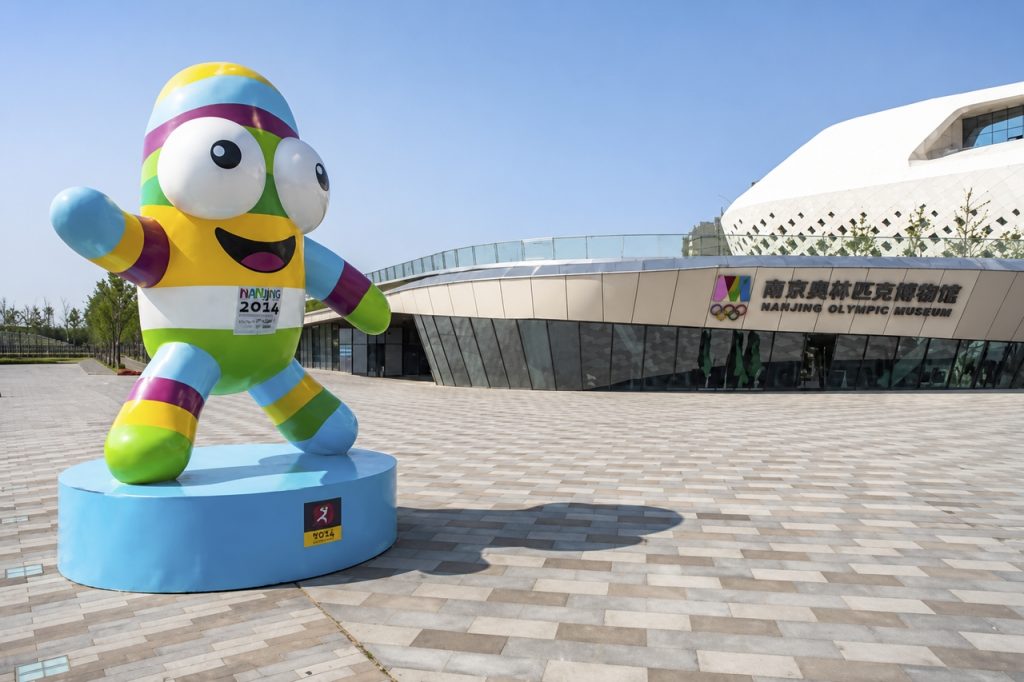
Covering a total area of 7,896 square meters with a main exhibition area of 5,034 square meters, the museum’s exhibition theme is “A Century of Olympic Heritage, Youthful Nanjing.” The museum features six main exhibition halls: The Origins of the Ancient Olympics, The Rise of the Modern Olympics, The Olympic Family, China and the Olympics, Jiangsu and the Olympics, and the Youth Olympics in Nanjing—systematically presenting the development of the Olympic Movement from ancient Greece to the present day.
The museum houses a collection of over 1,400 artifacts (sets), including torches, medals, mascots, athletes’ equipment, and audiovisual materials from past Olympic Games. In 2015, the museum joined the International Olympic Museum Network, and in 2016, it hosted the network’s first annual meeting in China.
II. Treasures of the Collection and Classic Exhibits
The original manuscripts of Pierre de Coubertin are the museum’s most prized treasures. This over-100-page handwritten manuscript was acquired from the international market by Mr. Wu Jingguo, a former IOC Executive Board member and founder of the museum, and brought to Nanjing. Among the pages is a section documenting Coubertin’s travels through China.
The Torch Wall is one of the museum’s most visually striking exhibits, displaying Olympic torches from the first torch of the 1936 Berlin Olympics, to the “Xiangyun” (Auspicious Cloud) torch of the Beijing Olympics, to the “Gate of Happiness” torch of the Nanjing Youth Olympics—each carrying the century-old tradition of the torch relay. The museum also features a wall of Olympic posters from past Games, life-sized wax figures of IOC presidents, and other classic exhibits.
Additionally, the museum houses the world’s first World Roller Skating Museum—a “museum within a museum” hosted by the International Roller Sports Federation (World Skate), supporting Nanjing’s goal of becoming the “World Capital of Roller Skating.”
III. Family-Friendly Interactive Experiences: Learning Through Play
The museum is particularly well-suited for family visits, with interactive experiences being a major highlight. The exhibition areas combine physical artifacts, images, videos, holographic projections, and hands-on activities, transforming young visitors from passive observers into active participants. Regular interactive offerings include archery experiences (learning how to hold the bow, aim, and control power) and floor curling experiences (practicing control of pushing force and direction). The museum is also a Jiangsu Provincial Science Education Base, offering year-round youth sports culture educational programs that have attracted over 10,000 young participants.
IV. Recent Special Exhibitions
On the occasion of its 12th anniversary, the museum launched the special exhibition “The Road to Self-Strengthening—A Thematic Exhibition on the Development of Modern Sports in China” on August 17, 2026. This exhibition systematically reviews the century-long journey from the early sports enlightenment of the late Qing and early Republic periods to China’s Olympic quest. Among the exhibits are precious artifacts such as the competition registration booklet of Liu Changchun, the first Chinese athlete to participate in the Olympic Games. The exhibition hall features immersive photo installations and interactive NPC experiences, offering visitors a journey through time and space into the history of Chinese sports culture.
V. Visitor Information
| Category | Details |
|---|---|
| Address | Youth Olympic Village, No. 9 Jinshajiang West Road, Jianye District, Nanjing |
| Opening Hours | Tuesday to Sunday, 9:30 AM – 5:00 PM (open on public holidays); closed on Mondays |
| Admission | Permanent exhibitions are free to the public year-round |
| Transport | Metro Line 2 to Yuantong Station, then transfer by bus or bike; or Metro Line 10 to Jiangxin Island Station and walk via the Nanjing Eye Pedestrian Bridge |
| Recommended Visit Duration | 1.5 – 2.5 hours |
| Best For | Families, student groups, sports enthusiasts, history and culture lovers |
From Pierre de Coubertin’s original manuscripts to torches from every Olympic Games, from archery experiences to floor curling—the Nanjing Olympic Museum invites every visitor to journey through a century of Olympic history and feel the pulse of the Olympic spirit through its rich collection and immersive interactive experiences.
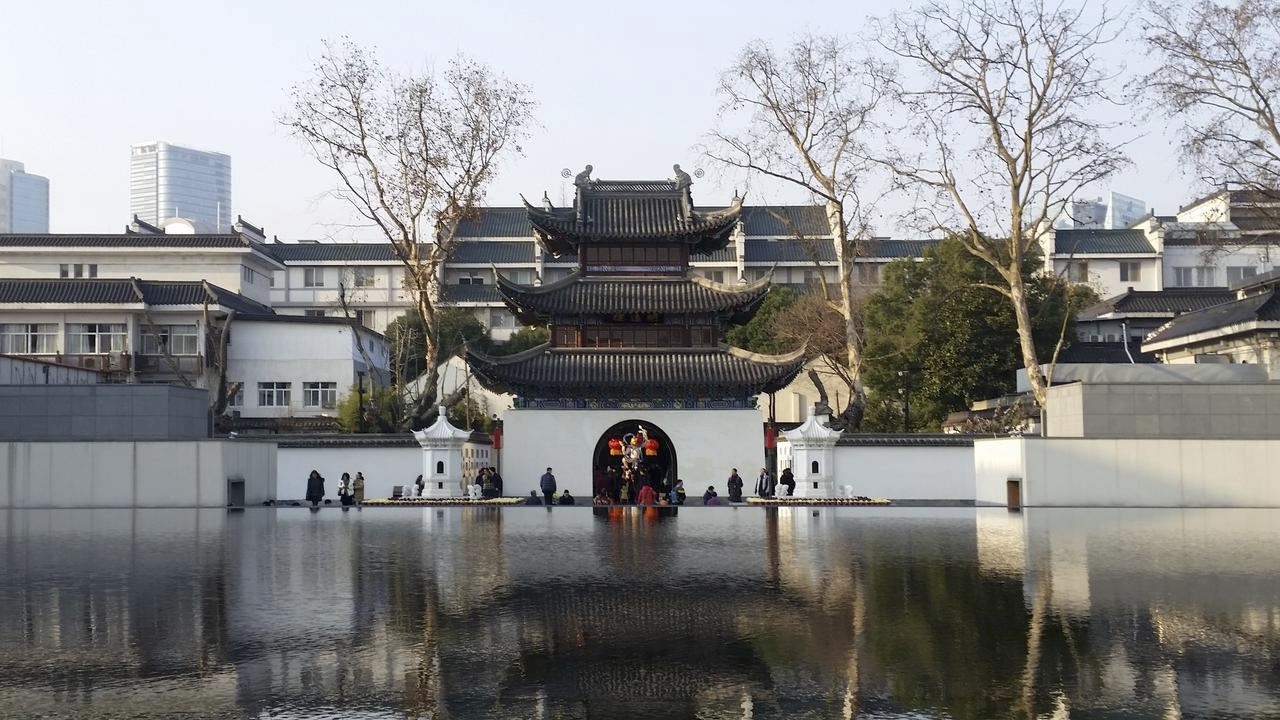
By the banks of the Qinhuai River at the Confucius Temple in Nanjing lies a museum “hidden” beneath the earth—the Nanjing Imperial Examination Museum of China. Built upon the site of the Jiangnan Examination Hall (Jiangnan Gongyuan), the largest imperial examination venue in ancient China, this specialized museum systematically presents the history and culture of China’s imperial examination system. It officially opened to the public on January 28, 2017.
I. Historical Roots: Echoes of China’s Largest Imperial Examination Venue
The Jiangnan Examination Hall was first established in the fourth year of the Qiandao reign of the Southern Song Dynasty (1168 AD), originally serving as a venue for prefectural and county-level examinations. After Emperor Taizu of the Ming Dynasty established Nanjing as the capital, the site hosted both provincial and metropolitan-level examinations. By the Tongzhi reign of the Qing Dynasty, the Jiangnan Examination Hall had grown into the largest imperial examination complex in China, featuring 20,644 examination booths and covering an area of over 300,000 square meters.
During the Qing Dynasty alone, 58 top scholars (zhuangyuan) emerged from the Jiangnan provincial examinations—accounting for more than half of the nation’s total. Historical luminaries such as Tang Bohu, Zheng Banqiao, Wu Jingzi, Wu Cheng’en, Lin Zexu, Zeng Guofan, Li Hongzhang, and Chen Duxiu all served as examiners or candidates at the Jiangnan Examination Hall.
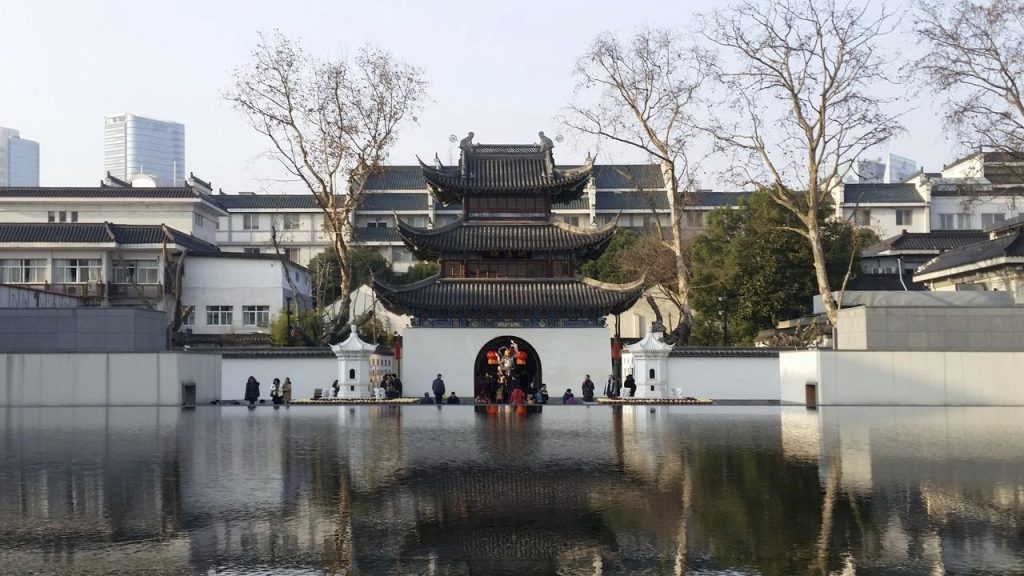
The museum was expanded upon the original examination hall site, which still preserves the Ming Dynasty Mingyuan Tower, the Feihong Bridge, and 25 stone steles recording major events in the history of the examination hall. In December 2020, the Nanjing Imperial Examination Museum of China was designated a National First-Class Museum.
II. Architectural Ingenuity: The “Buried Treasure Box” 20 Meters Underground
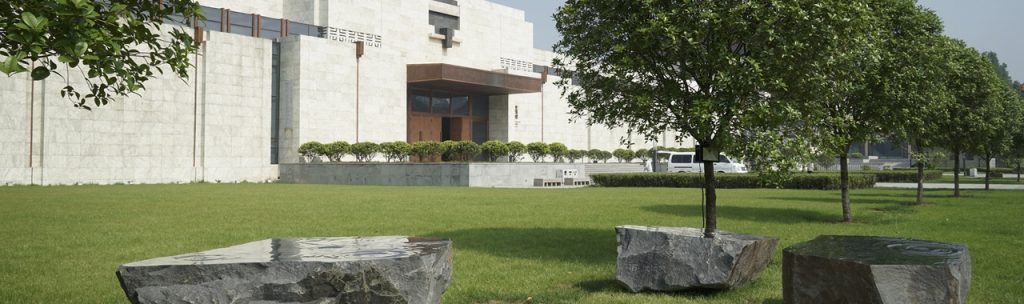
The museum’s most astonishing feature is its unique design concept—the main structure is sunk 20 meters underground, resembling a treasure box of sealed historical memories awaiting visitors to unlock.
Upon entering from ground level, visitors pass through three towering walls—a wall of bamboo-slips, a wall of black tiles, and a white plaster wall—each distinctly expressing the museum’s character and essence. Visitors then descend along a 130-meter circular ramp, with one side lined with script-engraved boxes and the other featuring a three-dimensional courtyard of rubble, gradually leaving behind the bustling atmosphere of the Confucius Temple and beginning to experience the arduous journey of imperial examination candidates.
At the 20-meter depth, the space opens into a courtyard surrounded by a circular pool. At its center stands the Four-Story Kuixing Hall (Hall of the Star of Scholarly Glory) —looking up, the names of past top scholars gleam under the luminous ceiling.
This design won the 2017–2018 Architectural Design Award and was featured in the Venice Architecture Biennale. The sunken design not only harmonizes ingeniously with the surrounding Mingyuan Tower and Confucius Temple environment but also, thanks to the reduced temperature fluctuations underground, provides excellent thermal performance, embodying the principles of energy-efficient and low-carbon green architecture.
III. Exhibition System: A Panoramic View of the Imperial Examination Across 33 Halls
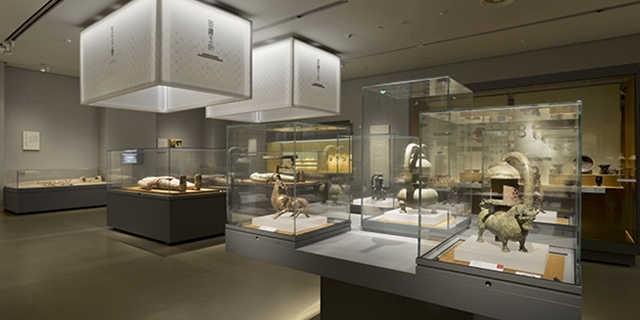
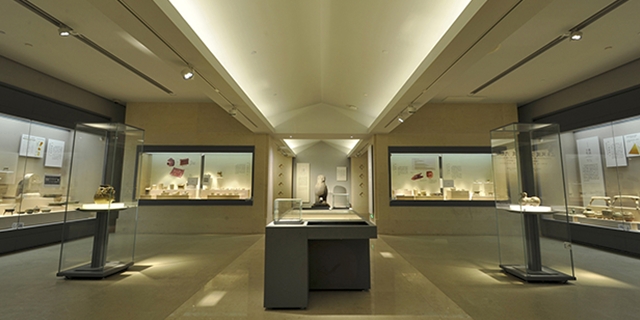
The underground section of the museum features 5 exhibition zones and 33 exhibition halls, housing a collection of over 10,000 cultural relics. The permanent exhibition, themed “Seeking Talent for the Nation, Selecting Scholars Through the Examinations,” traces the thousand-year trajectory of the imperial examination system from its establishment in the Sui Dynasty, its refinement in the Tang Dynasty, reforms in the Song Dynasty, decline in the Yuan Dynasty, peak in the Ming Dynasty, and eventual abolition in the Qing Dynasty.
Significant exhibits include bronze bells with Buddha motifs, cotton insulation sleeves in leather boxes, and Qing Dynasty porcelain washbasins with plowing, reading, fishing, and woodcutting motifs. In 2018, the museum’s exhibition won the “National Top Ten Exhibition Excellence Award.” By September 2024, the museum had received over 7 million visitors.
IV. Night Experience: Traversing the Imperial Examination Realm by Lantern Light
The museum remains open until the evening (9:30 PM), making it a popular destination for Nanjing’s night tourism. On International Museum Day, May 18, 2026, the museum launched a large-scale immersive night event titled “Lantern Light on the Qinhuai Illuminates the Cultural Vein—The Enchanted Night of the Imperial Examination Museum.” That evening, 300,000 netizens participated through live streaming, while on-site visitors—even in the rain—witnessed the “second lighting” ceremony of the Mingyuan Tower.
At the event, children performed Han-Tang-style dances at the Dragon Gate Plaza; costumed examiners reenacted the entire examination process—identity verification, search, and entry into the examination booths; and two young docents aged 8 to 12 narrated the stories of the imperial examinations in both Chinese and English. Remarkably, these children had just performed on the stage of the United Nations General Assembly a month earlier.
The museum’s night experience goes even further—the “Dragon Gate Night Lighting Ceremony” recreates the spectacle of the ancient examination hall lit up with lanterns; the “Top Scholar Fortune Dice” traditional examination-themed game invites visitors to roll dice to compete for “Zhuangyuan, Bangyan, Tanhua” (the top three scholarly titles) and win cultural and creative gifts.
V. Visitor Information
-
Address: No. 95 Gongyuan Street, Qinhuai District, Nanjing (heart of the Confucius Temple area)
-
Opening Hours: 9:00 AM – 9:30 PM
-
Admission: Full price 50 RMB; half price 25 RMB
-
Transport: Metro Line 3 to Fuzimiao Station, or Metro Line 1 to Sanshanjie Station
-
Recommended Visit Duration: 2–3 hours (entering in the late afternoon allows you to experience both daytime and nighttime views)
-
Must-Try Experiences: The “treasure hunt” style descent along the circular ramp; gazing up at the Roll of Top Scholars in Kuixing Hall; the night lighting ceremony and immersive performances
The Nanjing Imperial Examination Museum of China—the most profound embodiment of Jinling’s cultural heritage. It is not merely a museum but a treasure-seeking journey through a thousand years of imperial examinations. From the entrance of that buried “treasure box,” descending along the spiral ramp lined with script-engraved walls, you will come to realize that although the imperial examination system has long faded into history, the spirit it nurtured—of “seeking talent for the nation”—still shines today, illuminating the continuous transmission of culture through the lantern light of the present.